DLSS 5 to be toned down ahead of Hogwarts Legacy launch
Nvidia will dial back DLSS 5 before Hogwarts Legacy arrives, after its initial version altered character faces unnaturally.
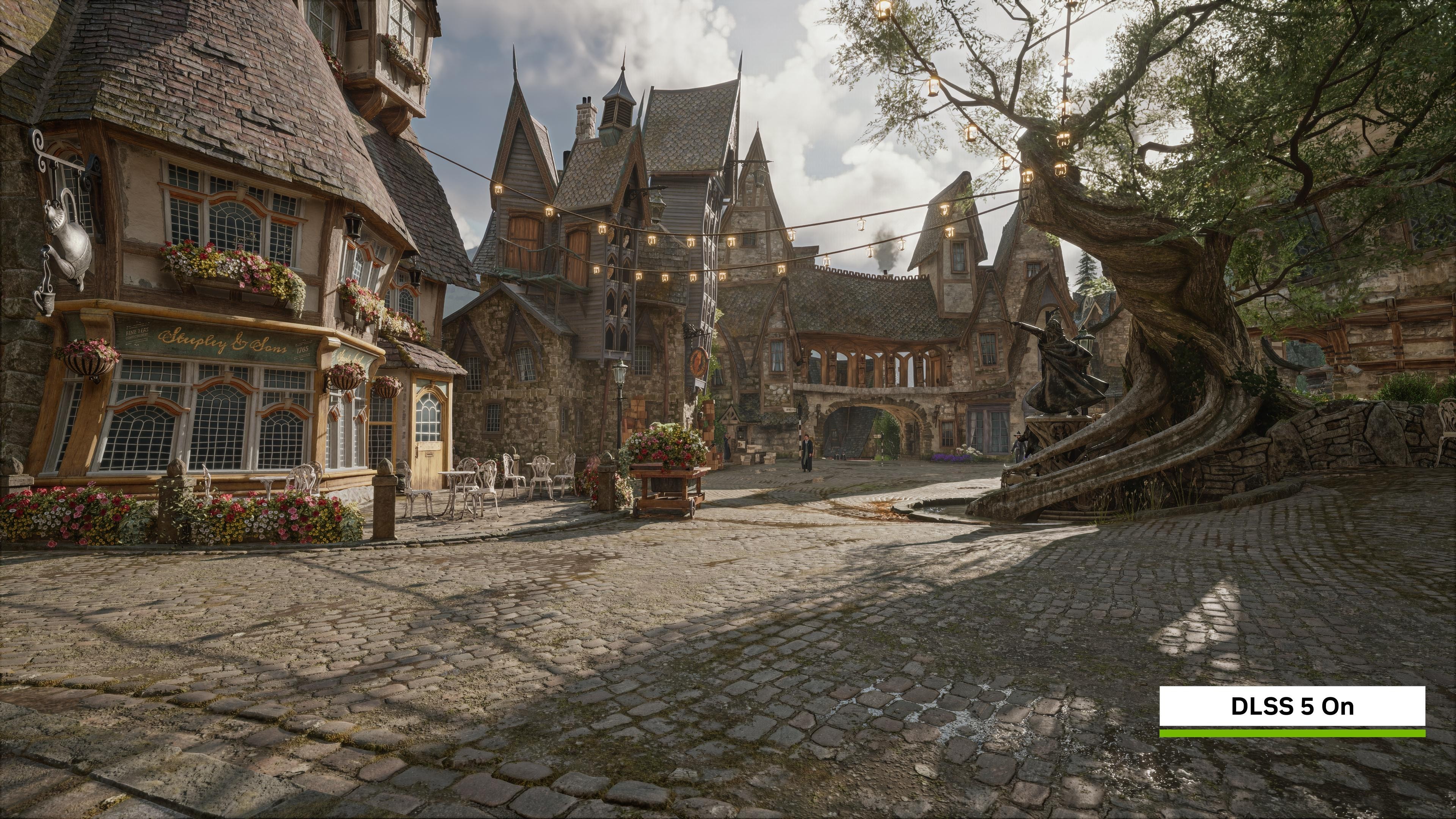
Earlier this year Nvidia unveiled DLSS 5 as a generative‑AI‑powered upscaling technique, promising higher image quality and frame‑rate gains for games. The reveal was met with backlash from gamers who felt the company had "lost the plot," as the AI‑driven changes made faces look older and less natural.
A notable example was the 15‑year‑old student in Hogwarts Legacy, who appeared significantly aged, and Resident Evil’s Grace, whose facial features were similarly distorted. The reaction highlighted a mismatch between technological ambition and artistic intent.
In response, Nvidia announced that, starting next month ahead of the Hogwarts Legacy release, DLSS 5 will be "toned down." This involves reducing the strength of the generative upscaling layer, adding temporal stability controls, and giving developers a toggle to enable or disable the AI‑enhanced mode.
For Uzbekistani players and developers, the adjustment means they can enjoy cutting‑edge visual fidelity without sacrificing the original look of characters, and local studios gain a safer playground to experiment with DLSS in their own projects.
The move underscores Nvidia’s willingness to listen to community feedback, positioning DLSS as a tool that enhances rather than overrides game design, and sets a precedent for how future AI‑driven graphics technologies should be rolled out.